A family of dishes, not a single recipe
Adobo
How to say itah-DOH-boh
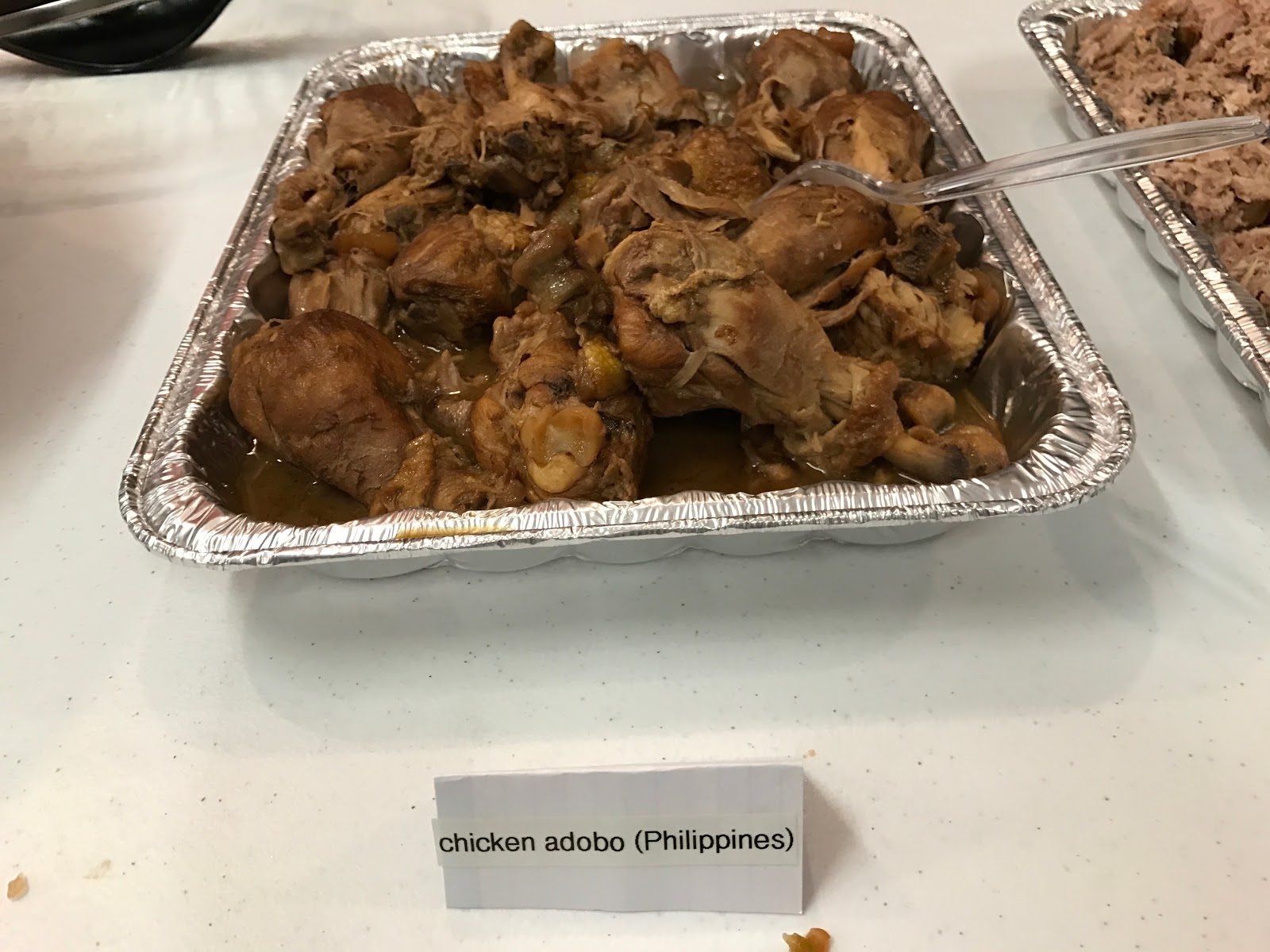
If you ask ten people how to make adobo, you may hear ten different answers. Adobo is best understood as a family of dishes built around a cooking method: ingredients are simmered in vinegar with garlic and other seasonings until tender and deeply flavored.
Chicken and pork are common, but adobo can also be made with seafood or vegetables. Some cooks add soy sauce, some leave it out. Some finish the dish with a glossy sauce, others cook it down until it is nearly dry.
What to expect
- A savory, tangy flavor from vinegar, often balanced with garlic and black pepper.
- Tender meat or vegetables in a sauce that can range from thin to thick and sticky.
- It is usually eaten with steamed white rice, which soaks up the sauce.
Common variations
These are a few examples, not a complete list.
- Chicken adobo
- One of the most common versions you may see on a menu.
- Pork adobo
- Often richer, depending on the cut used.
- Adobo with coconut milk
- Some cooks add coconut milk for a creamier sauce.
- Vegetable adobo
- Vegetables such as water spinach or green beans cooked the same way.
Keep reading
Related articles
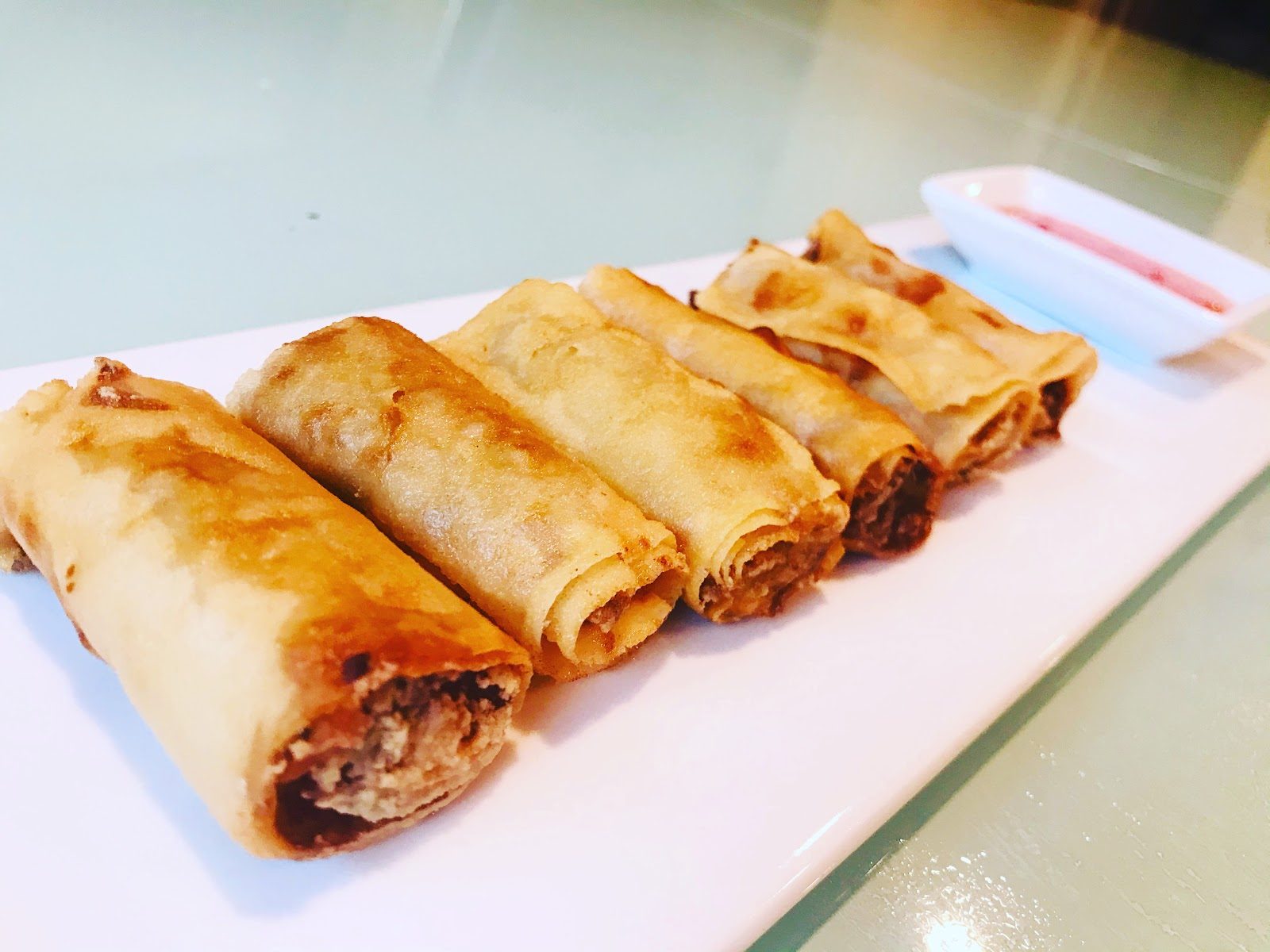
A family of fresh and fried rolls
Lumpia
Say it: LOOM-pee-ah
Fillings wrapped in a thin wrapper and served fried and crisp, or fresh and soft. Often a favorite at gatherings.
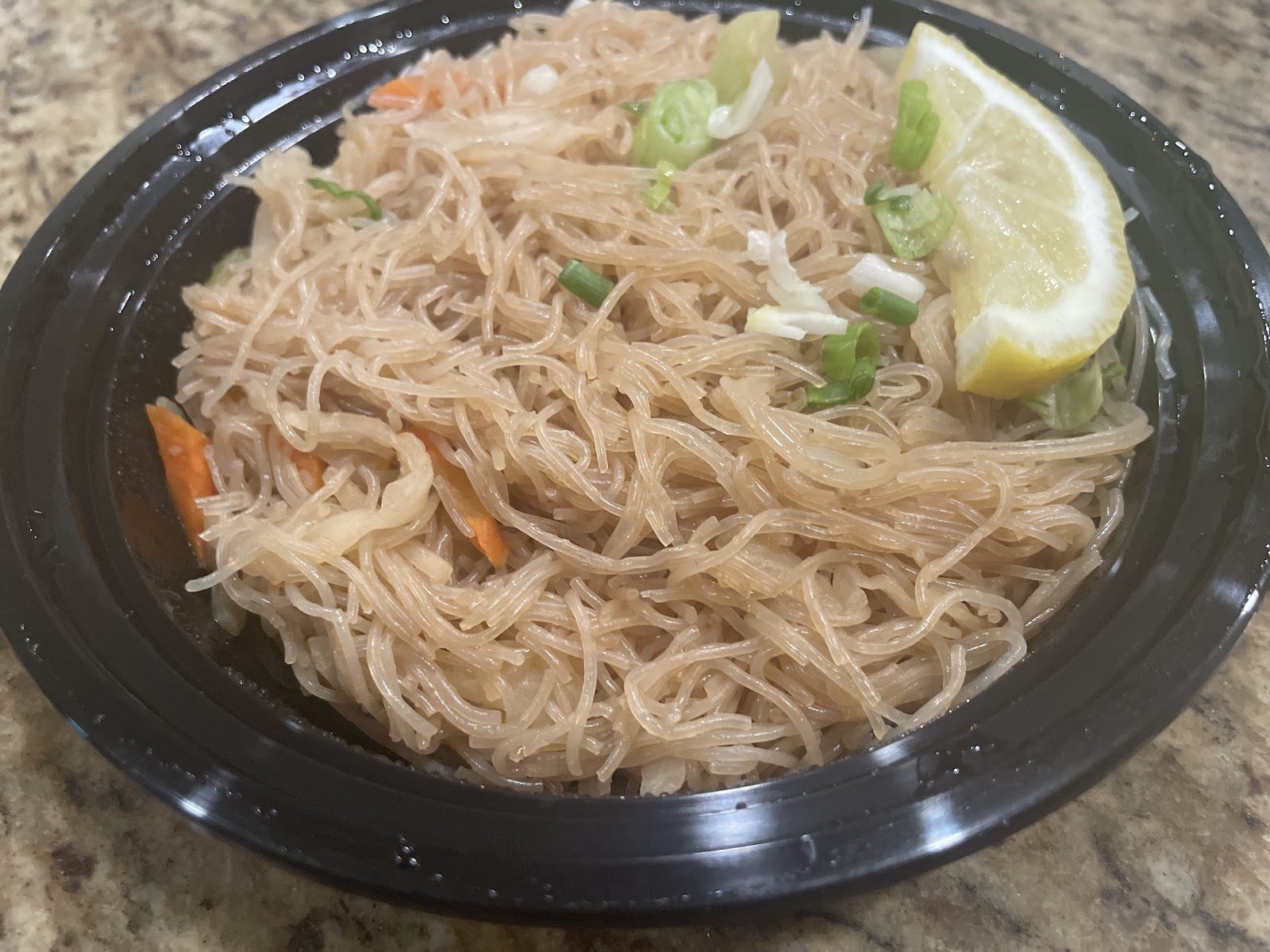
A broad family of noodle dishes
Pancit
Say it: pahn-SIT
Noodles cooked with vegetables, meat, or seafood. The noodles, sauce, and toppings change from dish to dish.