A broad family of noodle dishes
Pancit
How to say itpahn-SIT
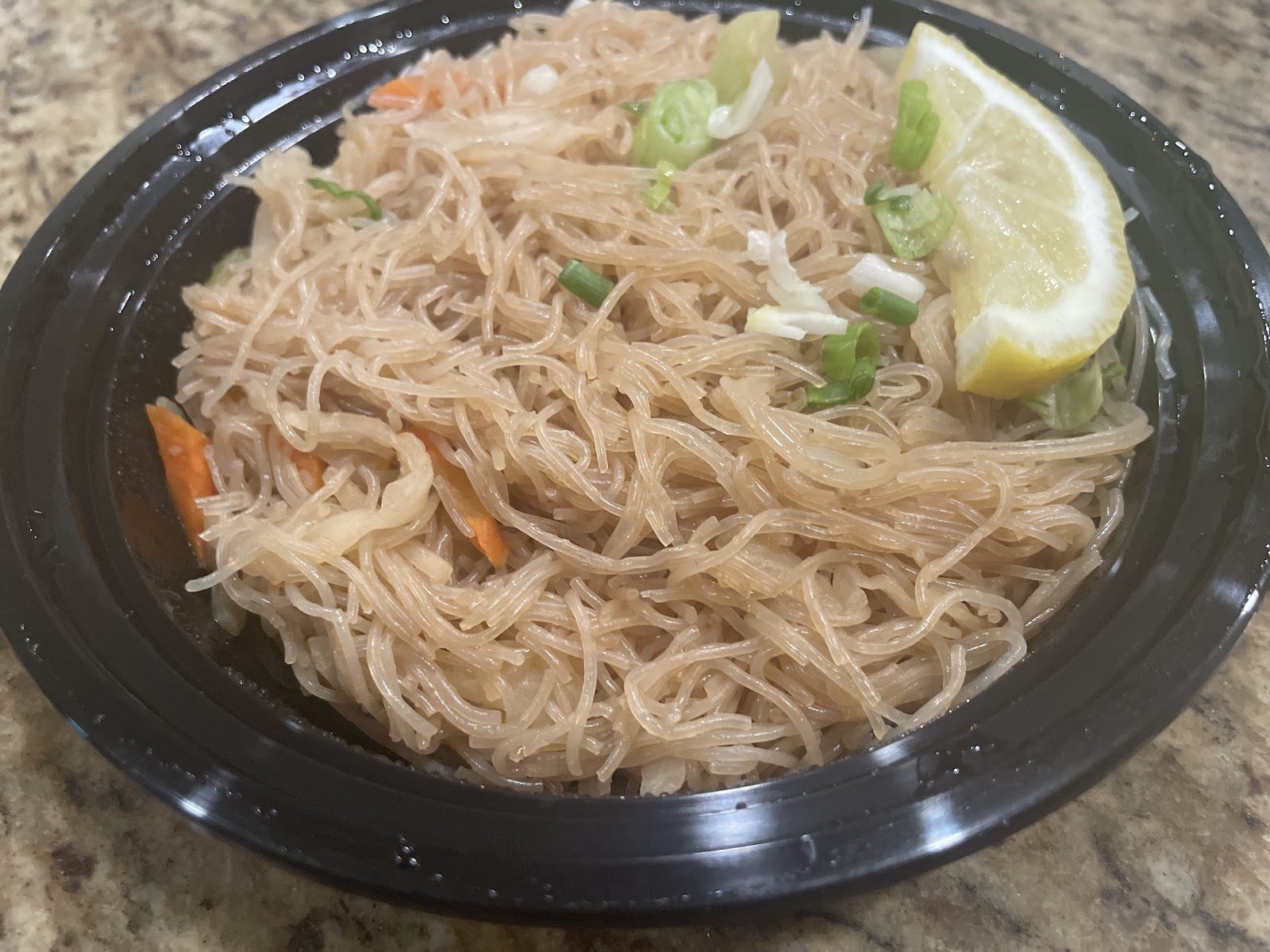
Pancit is a broad name for many Filipino noodle dishes. The type of noodle, the sauce, and the toppings can all change, so two dishes called pancit may look and taste quite different.
Noodles are frequently served at celebrations and shared meals, where a large platter can feed many people. You will often see a wedge of citrus on the side to squeeze over the top.
What to expect
- Stir-fried or sauced noodles with vegetables and often meat or seafood.
- Noodles can be thin rice noodles, wheat noodles, or others depending on the dish.
- Citrus on the side adds brightness; many people squeeze it over before eating.
Common variations
These are a few examples, not a complete list.
- Pancit bihon
- Usually made with thin rice noodles.
- Pancit canton
- Usually made with wheat noodles.
- Pancit palabok
- Noodles served with a thick sauce and toppings.
- Mixed noodles
- Some cooks combine two kinds of noodles in one dish.
Keep reading
Related articles
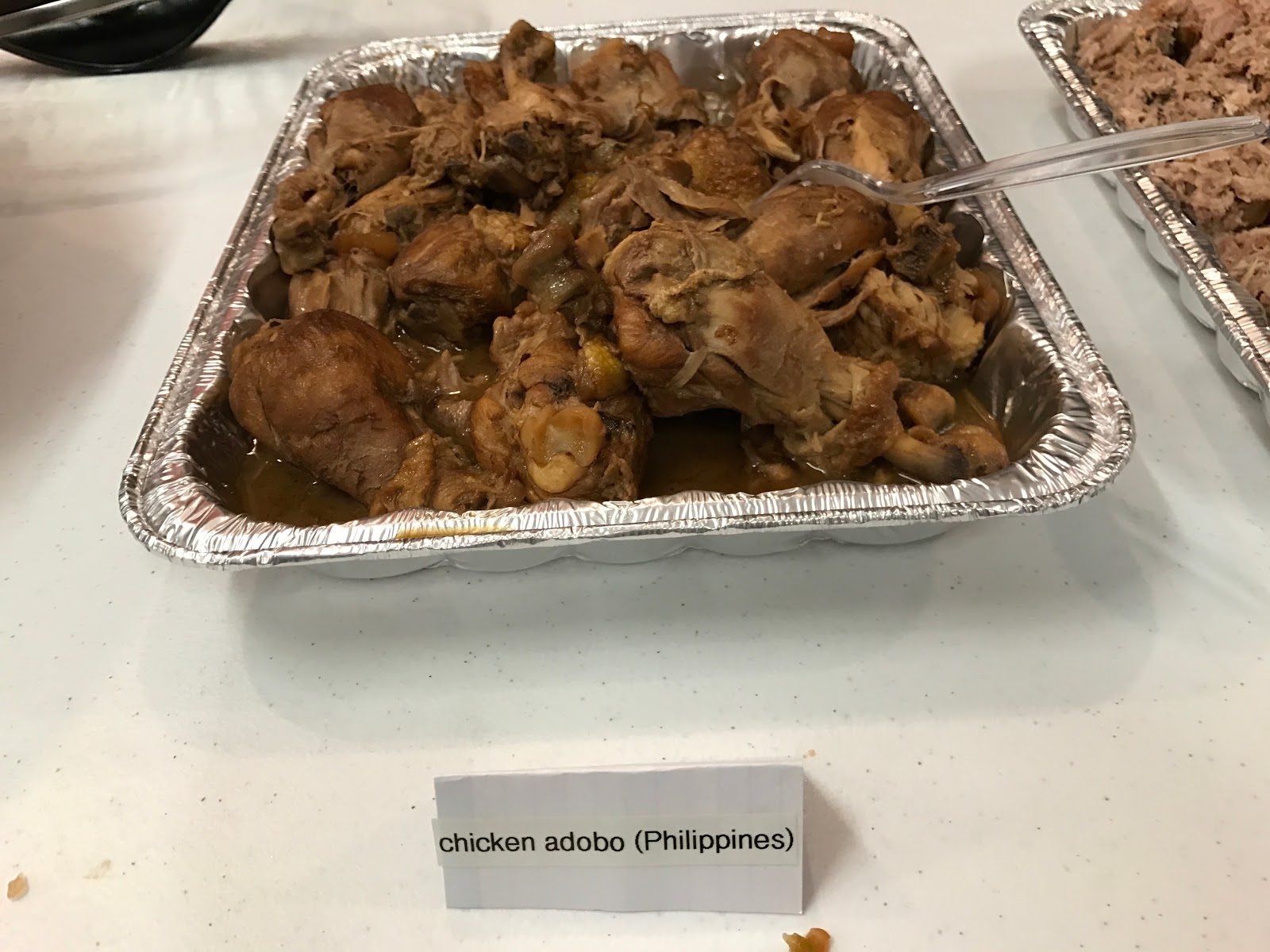
A family of dishes, not a single recipe
Adobo
Say it: ah-DOH-boh
Meat or vegetables simmered with vinegar, garlic, and other seasonings. Every household seems to have its own version.
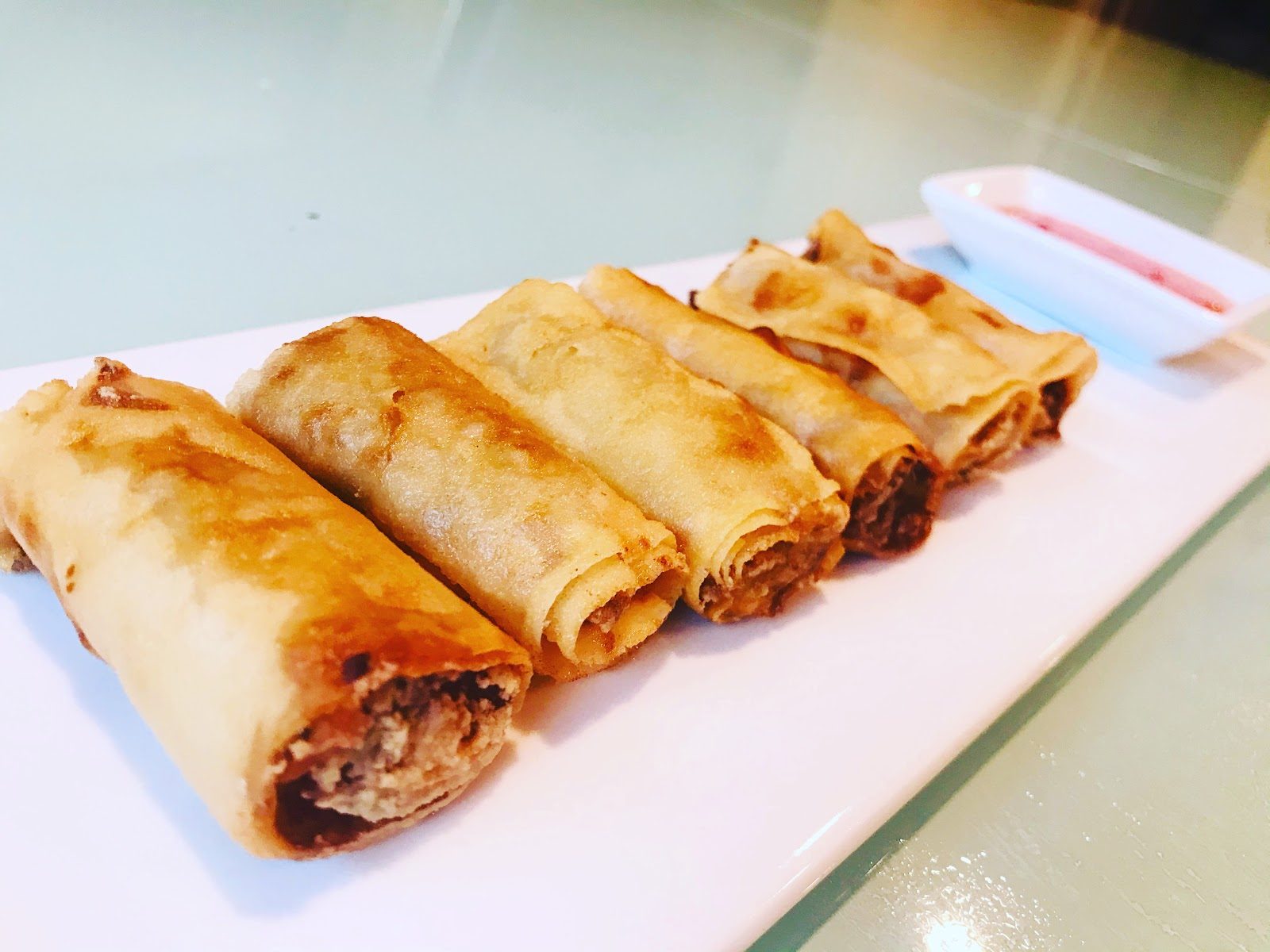
A family of fresh and fried rolls
Lumpia
Say it: LOOM-pee-ah
Fillings wrapped in a thin wrapper and served fried and crisp, or fresh and soft. Often a favorite at gatherings.